What Condo Plumbing Repair is About
Condo plumbing repair addresses failures and maintenance needs within the complex ownership structure of condominium buildings, where responsibility boundaries between individual units and common elements determine who handles what work. These repairs range from fixture replacements within units to system-wide issues affecting multiple owners through shared risers, branch lines, and main supply infrastructure.
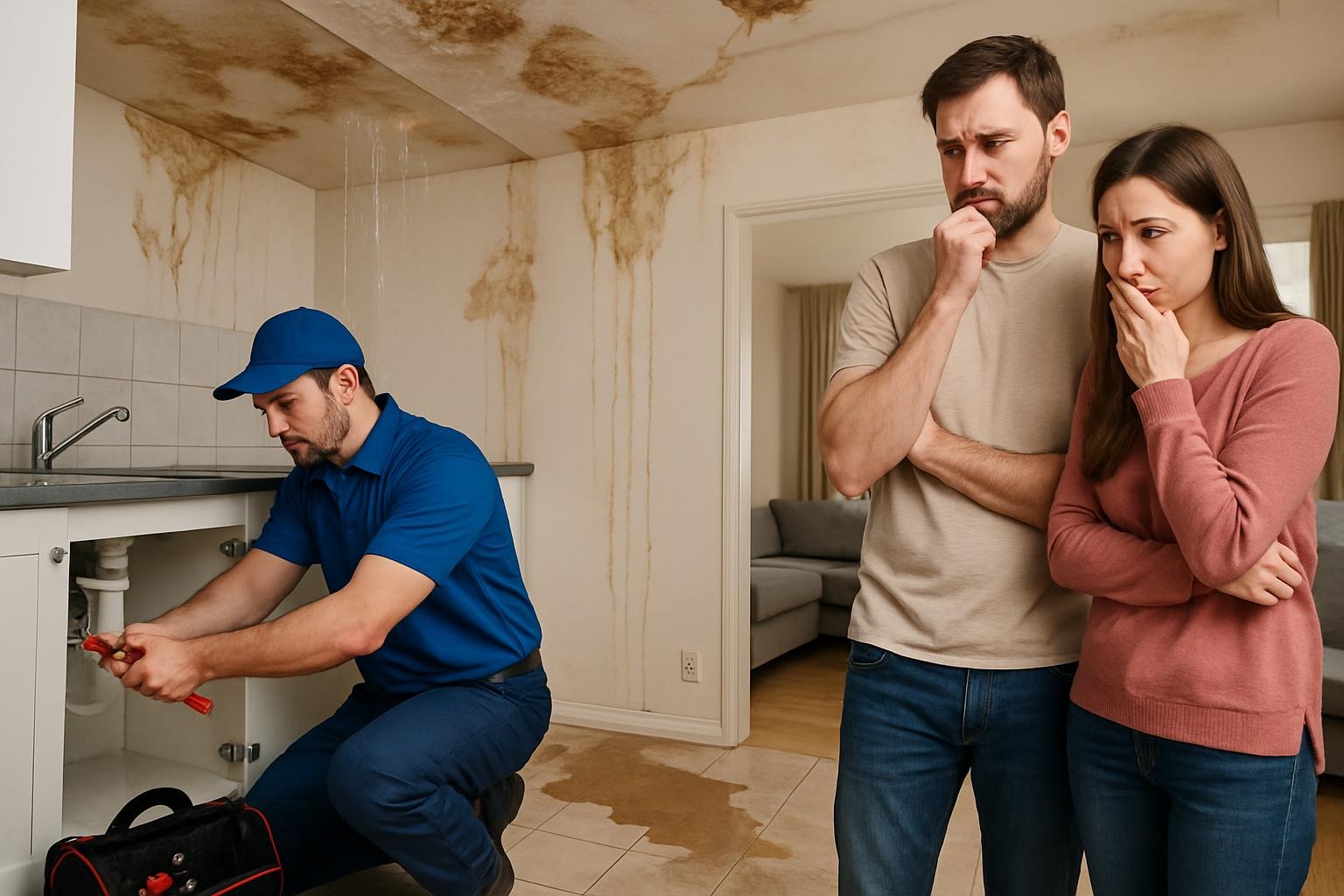
The defining challenge in condo plumbing work stems from establishing whether problems originate in individually owned spaces or building common elements. Condo bylaws and offering plans establish these boundaries, but they vary significantly between buildings. Some condos consider all piping behind walls as common elements. Others assign responsibility based on whether pipes serve single units or multiple units. This distinction determines which insurance policy applies, who pays for repairs, and whether board approval is required.
In buildings converted to condominiums from rental or co-op structures—common throughout Manhattan, Brooklyn, and Queens—plumbing systems often predate the condo ownership model by decades. Original galvanized steel risers serving eight or twelve units now have multiple owners rather than one landlord or co-op corporation. When these shared systems fail, coordination requirements multiply while aging infrastructure doesn’t respect new ownership boundaries.
Condo plumbing repair also addresses the practical reality that work affecting common elements requires board authorization, licensed contractors, proper permits, and coordination across multiple unit owners who may have conflicting schedules, budgets, and priorities. A leak in one unit rarely stays isolated in buildings where plumbing systems connect vertically through shared chases and horizontally through branch lines serving adjacent apartments.
How Plumbing Issues Typically Manifest in Condo Apartments and Buildings
Plumbing problems in condominiums announce themselves through the same symptoms as other multi-unit buildings—water where it shouldn’t be, fixtures that don’t drain, loss of supply pressure, or unusual sounds from pipes. What differs is the immediate question of responsibility that follows discovery.
A unit owner notices water staining on their ceiling. The source could be their upstairs neighbor’s bathroom, a shared riser in the wall cavity, a roof drain serving the building, or their own fixture leaking and traveling before becoming visible. Each possibility falls under different responsibility provisions in condo bylaws. The ceiling itself belongs to the unit owner, but the water source might be a common element.
In pre-war buildings converted to condos—prevalent in neighborhoods like the Upper West Side, Park Slope, and Astoria—original cast iron waste stacks show age-related failures. Multiple unit owners connected to the same vertical stack experience slow drains simultaneously. The stack itself is typically a common element, but the horizontal branch lines connecting individual units to the stack may be unit owner responsibility depending on bylaw language.
Supply line failures in condo buildings create immediate impact across ownership boundaries. A burst pipe in a sixth-floor unit’s bathroom wall floods that apartment, but water migrates through floor assemblies into the fifth-floor unit below and potentially further down. The burst pipe might be the sixth-floor owner’s responsibility, but damage to lower units creates insurance claims across multiple policies and owners.
Buildings with roof water tanks experience distinctive failure patterns. When tank supply lines, overflow systems, or distribution piping fails at roof level, water travels down through multiple floors. These systems are always common elements, but resulting damage affects individual units whose owners must file separate insurance claims while the building addresses source repairs.
Frozen pipes during winter present responsibility complications. When inadequate heat reaches pipes in exterior walls—a building heating system issue—the resulting freeze damage might occur in pipes serving individual units. Determining whether frozen pipe repairs are building or unit owner responsibility requires examining bylaw language about heating system adequacy and pipe location.
Sewage backup in ground-floor or basement-level units often indicates problems with the building’s connection to city sewer mains. These are common element issues, but the lowest-level unit owners experience all the immediate damage and disruption. Coordination between affected owners and the board becomes essential for timely response.
High-rise condos in areas like Midtown, the Financial District, and Long Island City face vertical pressure variations affecting supply systems. Lower-floor units experience higher water pressure that stresses fixtures and connections. When these fail, determining whether the pressure regulation system—a common element—contributed to failures in individual units affects responsibility and cost allocation.
Shared waste systems in buildings where multiple units connect to horizontal branch lines before reaching vertical stacks create cascading problems. One unit owner’s disposal abuse or foreign object introduction affects neighbors. Determining who caused blockages and who pays for clearing shared lines requires investigation and sometimes contentious board meetings.
When Plumbing Problems Become Emergency Condo Repair Situations
Active leaks flooding units or common areas constitute immediate emergencies requiring rapid response and clear authority. When water actively discharges, someone must decide to shut off supply, authorize emergency contractors, and coordinate access across units—all while water continues causing damage.
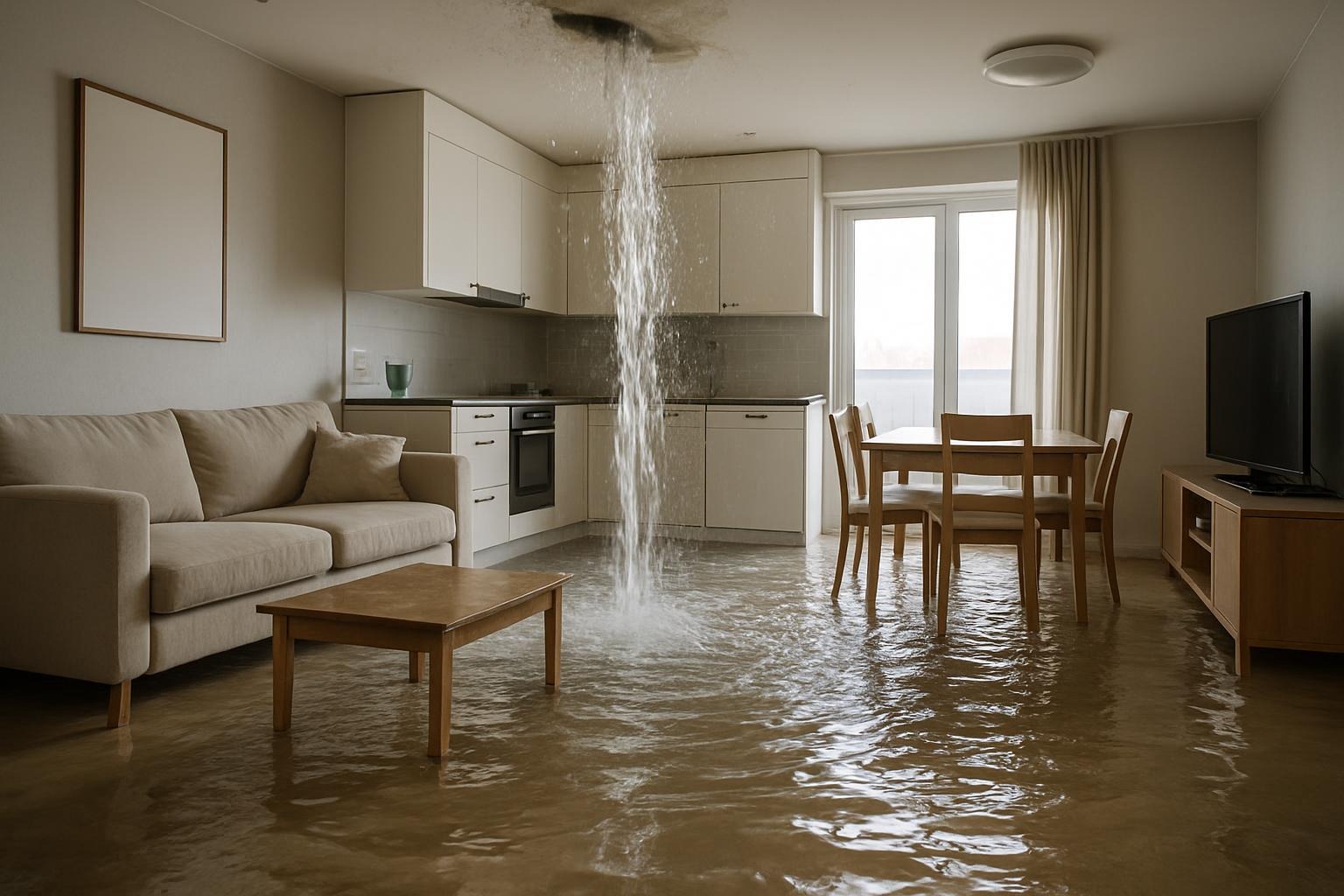
Unit owners facing active flooding often cannot determine if shutting their own water supply will stop the leak. If the source is in common element piping, individual unit shutoffs accomplish nothing. Building management or board members must be reached to authorize shutting down risers or main supply, affecting multiple owners simultaneously.
Sewage backup in any unit becomes an emergency requiring immediate building-level response. These situations create Health Department concerns and Housing Preservation and Development violations if not addressed promptly. Affected unit owners cannot resolve sewage backup alone when problems originate in shared waste systems or building sewer connections.
Water affecting electrical systems escalates urgency regardless of responsibility boundaries. When leaks reach electrical panels, outlets, or wiring—whether in individual units or common areas—building safety requires de-energizing circuits until assessment determines extent. This may require accessing multiple units and coordinating with Con Edison if gas systems are nearby.
Situations threatening certificates of occupancy or creating HPD violations make condo plumbing failures building-wide emergencies. Water affecting fire stairs, lobby areas, elevators, or means of egress creates code violation situations where the Department of Buildings can issue violations or vacate orders affecting all residents.
Complete loss of water supply to buildings or to multiple units requires emergency resolution. Buildings without water cannot maintain occupancy under housing code. Boards must authorize emergency repairs to common element supply systems even outside normal approval processes when habitability is at stake.
Situations that feel urgent but allow scheduled coordination include slow drains in single fixtures, minor leaks contained within one unit where source is clear, reduced pressure affecting one apartment, visible corrosion on exposed pipes that haven’t failed, and fixtures that work but make unusual sounds. These problems need attention but don’t constitute emergencies requiring immediate board authorization.
Common Causes and Failure Scenarios Behind Condo Plumbing Issues in New York
Aging infrastructure in converted condo buildings creates the most common failure scenarios. Buildings converted to condominiums in the 1980s and 1990s often contained plumbing systems already 30 to 50 years old. Those systems are now 60 to 80 years old, approaching or exceeding design life. The ownership structure changed, but the galvanized steel and cast iron piping didn’t get younger.
Corrosion patterns in shared risers affect multiple unit owners simultaneously. When vertical supply risers serving an entire building line begin failing, the first pinhole leak may appear in one unit, but adjacent sections of identical age and exposure face similar risk. Boards facing one riser failure often discover systematic corrosion requiring building-wide riser replacement affecting dozens of units.
Deferred maintenance creates accelerated failure in condo buildings where boards postpone capital improvements to keep common charges low. Risers showing signs of corrosion, waste stacks draining slowly, or water pressure irregularities all signal approaching failures. When boards delay system assessment or replacement, emergency repairs eventually cost more than planned maintenance would have.
Individual unit renovations create problems in shared systems when owners upgrade fixtures or modify plumbing without considering building-wide impacts. Installing high-flow fixtures in older buildings with marginal pressure, adding bathroom facilities that overload shared waste stacks, or modifying supply lines without proper permits all create problems affecting neighbors.
Water chemistry variations from NYC’s reservoir systems affect buildings differently based on location. Buildings receiving water from the Croton system experience different corrosion rates than those on Catskill or Delaware water. Mineral content, pH levels, and treatment methods all influence how quickly galvanized steel deteriorates—but condo boards often don’t understand these geographic factors when planning capital improvements.
Vibration from subway lines and street traffic stresses piping in buildings near major transit routes or heavily trafficked streets. Buildings in neighborhoods above or adjacent to subway tunnels—throughout Manhattan, Brooklyn, and parts of Queens—experience constant micro-movements affecting aging pipes. Over decades, this mechanical stress contributes to joint failures and cracking.
Freeze damage occurs in buildings where heating systems inadequately serve certain units or common areas. Pipes in exterior walls, mechanical rooms, or poorly heated hallways freeze during extended cold periods. The resulting damage may appear in unit-owned pipe sections, but the inadequate heat often traces back to common element heating systems.
Improper previous repairs create ongoing problems. Work done before condo conversion, or repairs made by individual unit owners without proper permits or board approval, often don’t meet current code. When problems develop, correcting unauthorized work becomes entangled with addressing underlying failures.
Root intrusion in aging sewer laterals affects ground-floor and basement units first but indicates building-wide issues. Clay pipe sections connecting buildings to city mains deteriorate over decades. Tree roots infiltrate through cracks and separated joints. When these shared systems fail, all connected units experience backup during heavy rain.
Water pressure imbalances in high-rise condos stress fixtures and supply lines differentially. Lower floors experience significantly higher pressure than upper floors. Without proper pressure regulation—a common element system responsibility—lower-floor fixtures fail prematurely while upper-floor residents complain about inadequate pressure.
Risks of Delaying Condo Plumbing Repair
Property damage multiplies across unit boundaries when plumbing failures go unaddressed. Water leaking in one unit migrates to others. The responsible party—whether individual owner or building—may face damage claims from multiple affected units. Delays increase damage extent and number of affected owners requiring compensation.
Individual unit owner hesitation to address problems within their responsibility creates liability when damage extends to other units. A slow leak under a kitchen sink that seems minor becomes significant when water saturates the floor and damages the ceiling of the unit below. The hesitant owner now faces both their own repairs and neighbor damage claims.
Board delays in addressing common element issues create collective liability. When boards postpone repairs to shared risers showing signs of failure, eventual emergency repairs cost more and affect more units. Unit owners whose apartments sustain damage during delays may have claims against the condo association for negligent maintenance.
Insurance complications arise when either party delays addressing known issues. Unit owner policies expect prompt response to discovered problems. Master policies require boards to maintain common elements properly. Documented knowledge of failures without timely correction jeopardizes coverage when eventual damage occurs.
Hidden damage continues while visible problems get addressed. Patching a ceiling without identifying the water source ensures recurrence. In condo buildings, this creates disputes about who should have paid for proper investigation initially when repeated failures require multiple insurance claims and affect relationships between owners.
Health and safety concerns develop when sewage exposure or mold growth occurs. Unit owners cannot remediate mold in wall cavities containing common element piping without board involvement. Delays in coordinating proper remediation create HPD violations, Health Department concerns, and potential liability for both owners and boards.
Code violations accumulate affecting building compliance. HPD citations for uninhabitable conditions, DOB violations for unpermitted work, or DEP violations for water waste all carry daily fines. In condos, these violations name the building, but responsibility for correction and associated fines depends on whether issues stem from common elements or unit owner actions.
Reserve fund inadequacy becomes apparent when boards have deferred system maintenance. Condos lacking adequate reserves for major plumbing repairs must levy special assessments on all owners when emergency riser replacement or system upgrades become unavoidable. Unit owners face unexpected bills because collective maintenance was deferred.
Neighboring unit relationships deteriorate when plumbing problems create ongoing disputes. Water damage from one unit affecting another, disagreements about responsibility, or conflicts over access for repairs all strain community relationships. In buildings where owners live adjacent to each other for years or decades, these conflicts affect quality of life beyond repair costs.
Property values decline in buildings with known systemic plumbing issues. Prospective buyers conducting due diligence discover buildings with aging risers, history of water damage claims, or inadequate reserve funds for needed repairs. Units become harder to sell or finance when building-wide infrastructure problems are documented.
How Professionals Handle Condo Plumbing Repair in New York
Professional condo plumbing repair begins with establishing responsibility boundaries through bylaw review and failure source identification. Licensed plumbers working in condominiums must understand that determining who pays for work matters as much as diagnosing technical problems. Work authorization flows differently depending on whether repairs fall under unit owner or common element responsibility.
Initial assessment involves identifying failure location relative to ownership boundaries defined in offering plans and bylaws. Professionals trace supply lines and waste connections to determine where unit-owned systems end and common elements begin. In pre-war buildings converted to condos, these boundaries may not follow intuitive patterns—sometimes pipes in one unit’s walls serve multiple units, making them common elements.
Board liaison and management company coordination are essential for common element work. Licensed contractors cannot begin work affecting shared systems without proper authorization. This requires presenting assessment findings to boards, obtaining approval for scope and budget, and coordinating access across multiple units for riser or system-wide repairs.
Permit acquisition follows different paths for unit versus common element work. Department of Buildings permits for work in individual units are typically pulled by unit owners or their contractors. Common element work requires permits in the building’s name with board authorization. Understanding these administrative requirements prevents work stoppages and violations.
Access coordination across multiple units requires advance planning and communication. Riser replacement affecting eight units vertically requires scheduling access to all eight apartments, notifying residents about water shutoffs, and managing work progression floor by floor. Boards must communicate timelines and requirements to affected owners who may have varying levels of cooperation.
Temporary water service arrangements during major repairs require engineering. When riser replacement shuts down water to multiple units for days or weeks, professionals must establish temporary supply bypasses, ensure continued service to unaffected portions of buildings, and maintain habitability in affected units where possible.
Documentation for insurance and legal purposes becomes more detailed in condo work. Photographs and reports must establish whether failures originated in common elements or individual units. This documentation supports insurance claims across multiple policies and protects both boards and individual owners in potential disputes.
System-wide assessment often accompanies individual repairs. When one section of a shared riser fails, professionals evaluate the entire vertical run serving all connected units. Boards need information about whether isolated repair or full riser replacement makes economic sense given building age and remaining system life expectancy.
Code compliance verification ensures repairs meet current requirements. Work in occupied buildings must satisfy DOB standards. When older systems undergo repair, bringing them to current code often becomes required—backflow prevention, proper venting, compliant materials. Professionals identify these requirements early to avoid mid-project scope changes.
Coordination with other trades occurs frequently. Plumbing repairs in condos often require electricians to relocate wiring, masons or carpenters to open and close walls, and painters to restore finishes. In buildings where units have high-end finishes or landmark restrictions, this coordination becomes more complex and costly.
Final testing and verification confirms repairs function properly across all affected units. For riser work, this means testing fixtures in every connected apartment. For waste system repairs, it means verifying drainage in all units sharing the repaired stack. Professional sign-off provides boards and owners with documentation that work was completed satisfactorily.
Cost Factors That Influence Condo Plumbing Repair Complexity
Responsibility determination affects initial costs even before repairs begin. Establishing whether problems fall under common element or unit owner responsibility may require bylaw review, offering plan analysis, and detailed investigation. These administrative costs exist before actual repair work starts.
Common element versus unit owner work follows different approval and payment processes. Unit owners hiring contractors directly negotiate and pay for work themselves. Common element repairs require board approval, formal contractor selection processes, and payment from building funds with costs allocated across all owners through common charges or special assessments.
Building age and construction type significantly affect repair complexity. Pre-war buildings converted to condos often have plaster walls, intricate millwork, and historic finishes requiring specialized restoration. Opening walls for plumbing access and closing them properly costs more in 1920s construction than in 1980s buildings with drywall.
Access requirements across multiple units add coordination costs. When riser replacement affects twelve apartments vertically, scheduling access, managing resident displacement, protecting furnishings in occupied units, and maintaining security across multiple apartments all increase labor and management costs beyond simple pipe installation.
Permit and inspection requirements vary by scope. Basic fixture replacement requires no permits. Opening walls for repipes typically requires DOB permits. Major riser replacement affecting multiple units requires engineered plans, permits, and inspections. These administrative costs and timelines affect total project costs.
Emergency versus planned work carries significant cost differences. Emergency repairs during nights, weekends, or holidays incur premium labor rates. Planned maintenance scheduled during normal business hours costs substantially less. Boards that defer maintenance until emergencies become inevitable pay premium rates.
System-wide work captures economies of scale unavailable for isolated repairs. Replacing one section of riser costs x per unit affected. Replacing the entire vertical run serving eight units costs less than 8x because mobilization, access, permit costs, and testing spread across the full scope. Boards often find comprehensive work more cost-effective than incremental repairs.
Building occupancy levels during work affect costs. Fully occupied buildings require extensive protection protocols, storage of residents’ belongings, and careful scheduling to minimize disruption. Buildings with vacant units can stage work more efficiently. Condo buildings are typically fully occupied, increasing logistical complexity.
Finish restoration costs vary dramatically. Opening and closing walls in units with basic finishes costs far less than restoration in units with custom millwork, imported tile, or landmark-protected details. Boards approving common element work affecting individual units must consider these variable restoration costs.
Insurance deductibles and payment coordination create cash flow considerations. When common element failures damage individual units, master policy deductibles apply to building repairs while unit owner policy deductibles apply to interior damage. Owners may need to pay contractors and await insurance reimbursement, creating financial timing challenges.
Insurance Considerations for Condo Plumbing Repair in New York
Master policies in condominium buildings cover common elements including shared plumbing infrastructure—risers, main supply lines, building sewer connections, and systems serving multiple units. These policies respond when failures occur in building-owned components. Coverage includes both repair of failed systems and damage to common areas like hallways, lobbies, and mechanical rooms.
Unit owner policies cover plumbing within individual apartments and damage to unit interiors. This includes fixtures, supply lines serving only that unit, and horizontal drain connections from fixtures to the point where they connect to shared stacks. Unit policies also cover interior finishes, personal property, and contents damaged by water from any source.
Responsibility boundaries in condo bylaws determine which policy applies to specific repairs. Some buildings define everything behind walls as common elements, making the master policy primary. Others assign responsibility based on whether pipes serve single or multiple units. Reading actual bylaw language is essential—generic assumptions about responsibility often prove incorrect.
When common element failures damage individual units, both policies may respond. The master policy covers repairing the failed pipe. Unit owner policies cover interior damage within affected apartments. This requires filing separate claims with different carriers, coordinating adjustments, and managing multiple payment timelines.
Unit-to-unit damage creates liability between owners. When one unit owner’s failure causes damage to another’s unit, the responsible owner’s liability coverage should respond. However, proving negligence versus accidental failure becomes contentious. Was the leak from deferred maintenance the owner knew about, or was it sudden pipe failure?
Deductibles apply per occurrence under each policy. Master policy deductibles typically range from $5,000 to $25,000 depending on building size and coverage choices. When common element failures cause widespread damage, this deductible must be paid before insurance responds. Buildings typically allocate this cost across all owners through common charges.
Assessment of loss-in-use coverage varies. Some unit owner policies include coverage for temporary housing if apartments become uninhabitable due to water damage. Master policies may include rent loss coverage if commercial spaces in the building lose income due to plumbing failures. Understanding these provisions helps boards and owners plan for extended repairs.
Sewage backup coverage requires specific endorsements on both master and unit policies. Standard policies often exclude sewage backup unless riders are purchased. Many condos discover inadequate sewage backup coverage only when basement or ground-floor units experience backup from building sewer laterals.
Documentation requirements demand detail and timeliness. Both master policy and unit owner policy carriers require photographs of damage, documentation of failure causes, proof of maintenance history, and evidence of prompt mitigation. In condo situations, coordination between multiple claims on different policies requires careful record-keeping.
Negligent maintenance exclusions affect coverage when documentation shows boards or owners knew of problems but failed to address them. A riser showing corrosion for years that finally ruptures may not receive full coverage if maintenance records show deferred repair recommendations. Insurance expects reasonable and timely response to known defects.
Premium impacts follow claim history. Buildings with multiple water damage claims face premium increases or coverage restrictions. Unit owners with claim histories may face higher rates or difficulty obtaining coverage. This creates incentive for proper maintenance and prompt address of small problems before they become claims.
What to Do If You Need Condo Plumbing Repair Now
Determine responsibility before authorizing emergency work. Check your condo bylaws, offering plan, or call building management to establish whether the problem appears to involve common elements or unit-owned systems. This determines who has authority to hire contractors and who will pay for work.
Stop water flow if possible and safe. For problems clearly within your unit—under your sink, behind your toilet, at your fixtures—shutting your apartment’s water supply may stop the leak. For problems that persist after shutting unit valves, or for sewage backup, building management must shut down risers or address common element systems.
Contact building management or your condo board immediately regardless of apparent responsibility. Even if the failure appears to be entirely within your unit, management needs to know. Water doesn’t respect ownership boundaries—your unit’s problem may affect neighbors or may actually originate in common elements despite appearing in your space.
Document everything visible and accessible. Photograph water damage, failed fixtures, or any obvious source you can identify. Note when you discovered the problem and what actions you’ve taken. This documentation supports both insurance claims and potential responsibility determinations if disputes arise.
Notify your insurance carrier promptly. Unit owner policies require timely notification of potential claims. Even if you’re unsure whether you’ll file a claim, notifying your carrier protects your rights and allows them to document conditions while evidence is fresh.
For emergency situations requiring immediate contractor response, confirm authorization before work begins. If the problem is clearly your unit’s responsibility, you can hire contractors directly. If responsibility is unclear or problems appear related to common elements, building management must authorize work. Contractors hired without proper authority may not get paid.
Protect belongings and limit damage spread where safe. Move furniture, electronics, and valuables away from water. Use towels or tarps to contain spread. Don’t risk personal safety entering flooded areas or spaces where water appears near electrical outlets or equipment.
Communicate with neighbors in adjacent and connected units. If you’re experiencing problems, neighbors above, below, or sharing walls may be experiencing them too or may be the source. Early communication helps identify sources and builds cooperation for necessary access and repairs.
For sewage backup, stop using all fixtures immediately and keep occupants away from affected areas. Sewage creates health hazards requiring professional cleanup. Don’t attempt cleanup yourself—specialized restoration companies have proper equipment and follow required protocols for contamination.
Coordinate access for assessment and repairs. Whether contractors are hired by you or by the building, they may need access to adjacent units, hallways, mechanical rooms, or roof areas to trace problems and perform repairs. Building management coordinates this access for common element work.
Keep records of all communication, contractor estimates, repair bills, and temporary living expenses if displacement occurs. Both insurance claims and potential disputes about responsibility require documentation of costs incurred and actions taken during emergency situations.
Professional Support for Condo Plumbing Repair Situations in New York
Condo plumbing repair requires licensed master plumbers familiar with the administrative and technical complexities of condominium buildings. These professionals must understand not just plumbing systems but also condo bylaws, responsibility boundaries, board approval processes, and coordination requirements across multiple owners.
Licensed contractors carry insurance protecting both unit owners and buildings from liability. When work requires accessing multiple units or affects common elements, professional liability coverage protects all parties from damages that might occur during assessment or repair work. This insurance requirement is typically specified in condo bylaws for any work affecting common elements.
Department of Buildings permits require licensed master plumbers for work beyond basic fixture replacement. Opening walls, replacing risers, or modifying supply or waste systems all fall under regulated work requiring permits, inspections, and licensed contractor sign-off. Boards cannot legally authorize unpermitted work on common elements.
Experience with condo-specific situations matters significantly. Professionals familiar with condominium work understand offering plan provisions, typical bylaw language, and how responsibility boundaries function in converted versus new construction. They can advise boards and owners about likely responsibility determinations before expensive investigation proceeds.
Coordination capabilities become as important as technical skills. Contractors working on riser replacement affecting eight units must communicate effectively with residents, manage access scheduling, coordinate with building management, and maintain security across multiple apartments. Professional project management prevents the chaos that can accompany multi-unit work.
Emergency response for common element failures requires contractors with capacity to mobilize quickly and scale appropriately. A building with an active riser leak affecting multiple units needs contractors with sufficient personnel and equipment to address the emergency while coordinating with numerous affected owners simultaneously.
Assessment capabilities that determine responsibility save buildings and owners from disputes. Professionals who can definitively establish whether failures originated in common elements or unit-owned systems—through camera inspection, pressure testing, and systematic diagnosis—provide documentation that supports insurance claims and prevents payment disputes.
Last updated: December 26, 2025